Ever caught yourself staring at the night sky and wondering what phase the moon is in? February 2027 promises an intriguing sequence of lunar phases that both amateur stargazers and seasoned astronomers won’t want to miss. Let’s plunge headfirst into the cosmic dance of the moon, breaking down dates, phases, and what they mean.
Understanding The Moon’s Cycles in February 2027
The moon goes through a complete cycle approximately every 29.5 days, moving through its distinctive phases: New Moon, First Quarter, Full Moon, and Last Quarter. These phases aren’t just pretty views; they influence tides, cultural traditions, and even night-time animal behavior.
Key Moon Phases Dates in February 2027
| Phase | Date (UTC) | Description |
|---|---|---|
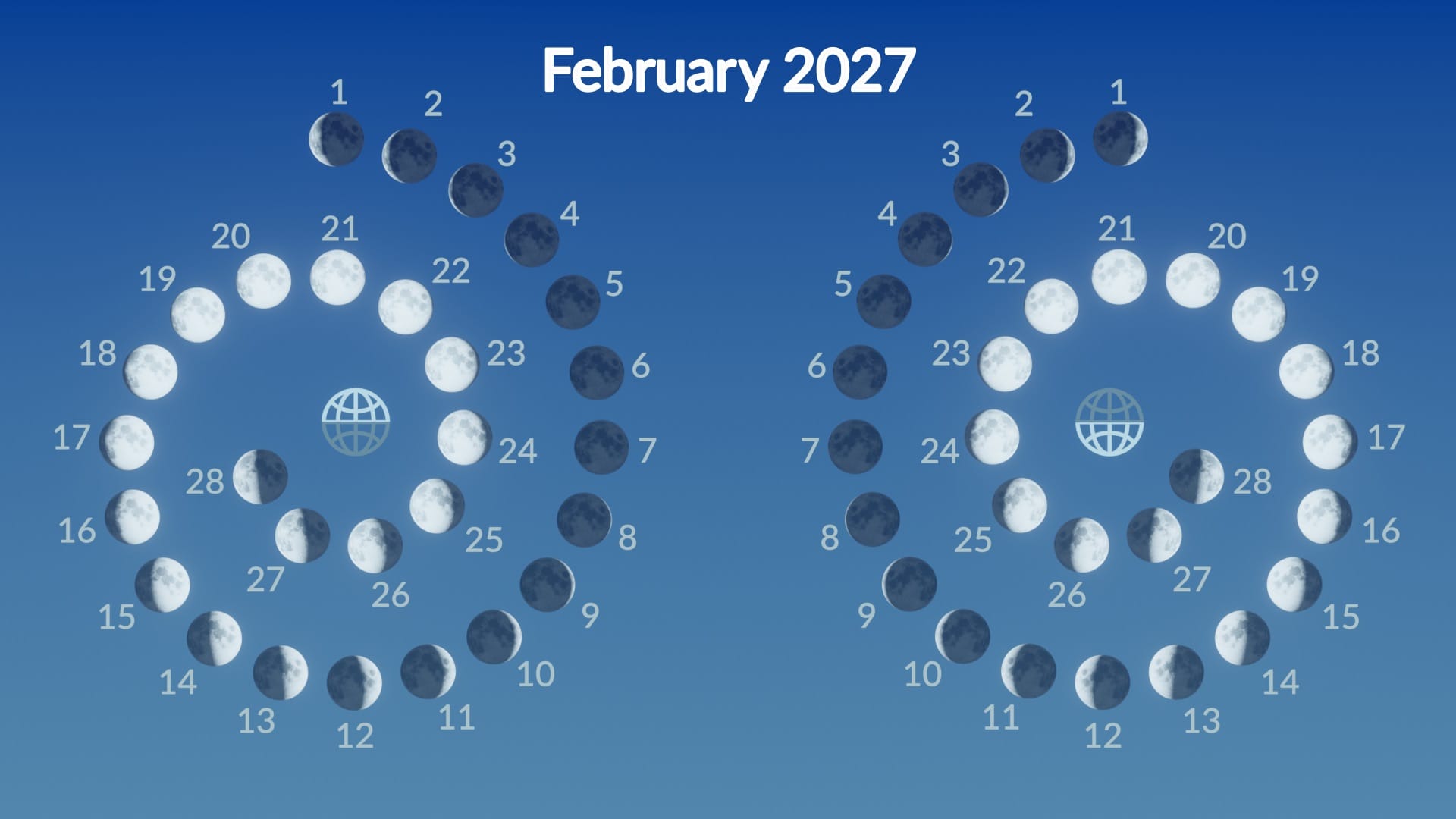
| Last Quarter | February 1, 2027 | The moon appears half-lit, waning towards new. |
| New Moon | February 9, 2027 | Moon invisible; marks the start of the lunar cycle. |
| First Quarter | February 16, 2027 | Half the moon is illuminated; waxing phase begins. |
| Full Moon | February 23, 2027 | Moon fully lit, bright and round, perfect for night observations. |
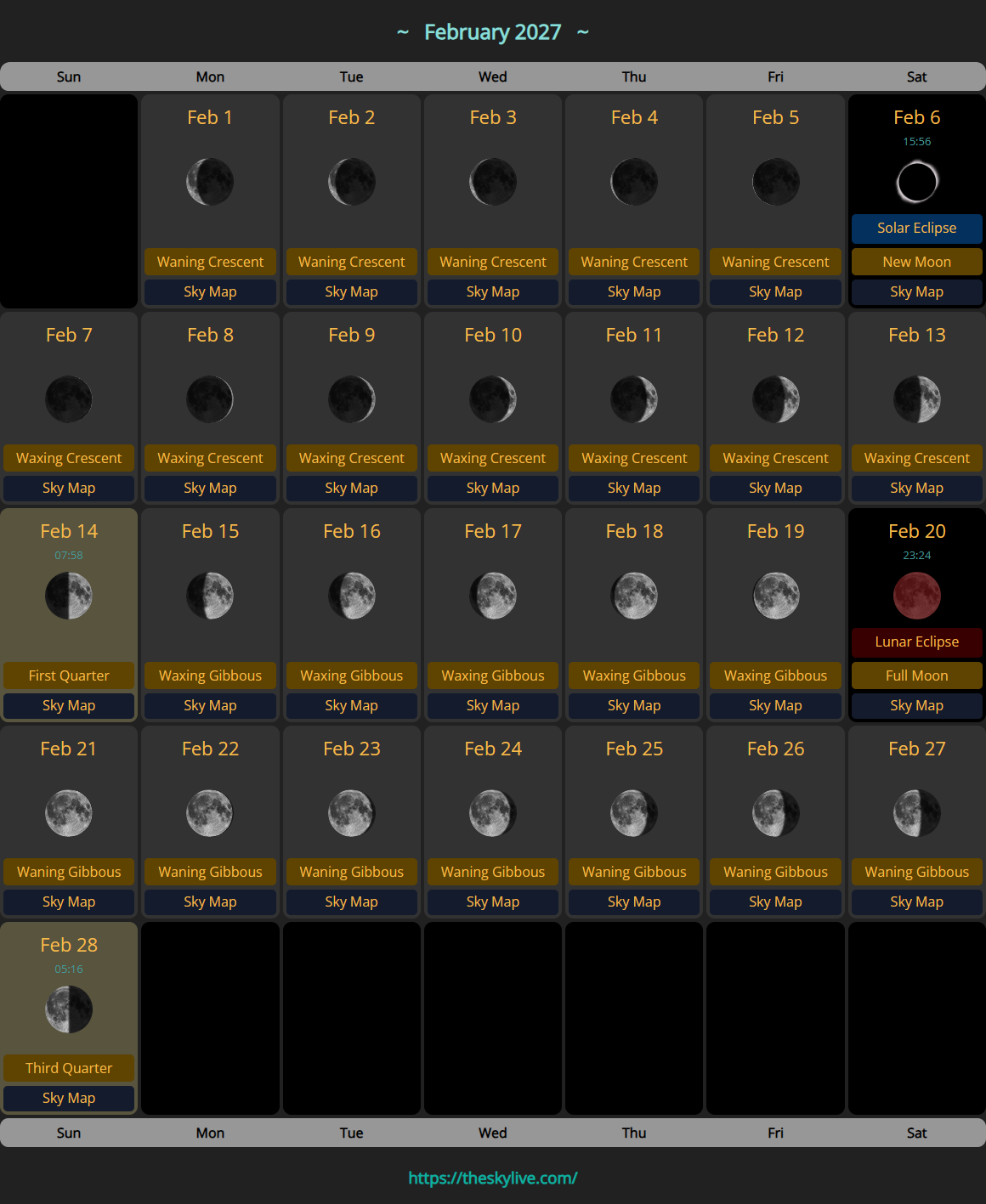
Source: theskylive.com
These dates were verified from the official Moon Calendar for February 2027 ensuring accuracy for your planning.
Diving Deeper: What Do These Moon Phases Mean?
- Last Quarter: Think of it as the moon’s way of slowly saying goodbye to the light. It sets after midnight and appears in the morning sky.
- New Moon: The moon is hiding in the sun’s glare. This phase is the best time for observing faint objects like nebulae because the night sky is darker.
- First Quarter: Halfway lit and climbing towards fullness. It’s prime time for evening moon watching as the moon lingers after sunset.
- Full Moon: The moon shows off its full face. This is when the moon is brightest and rises at sunset, dominating the night sky.

Source: en.tutiempo.net
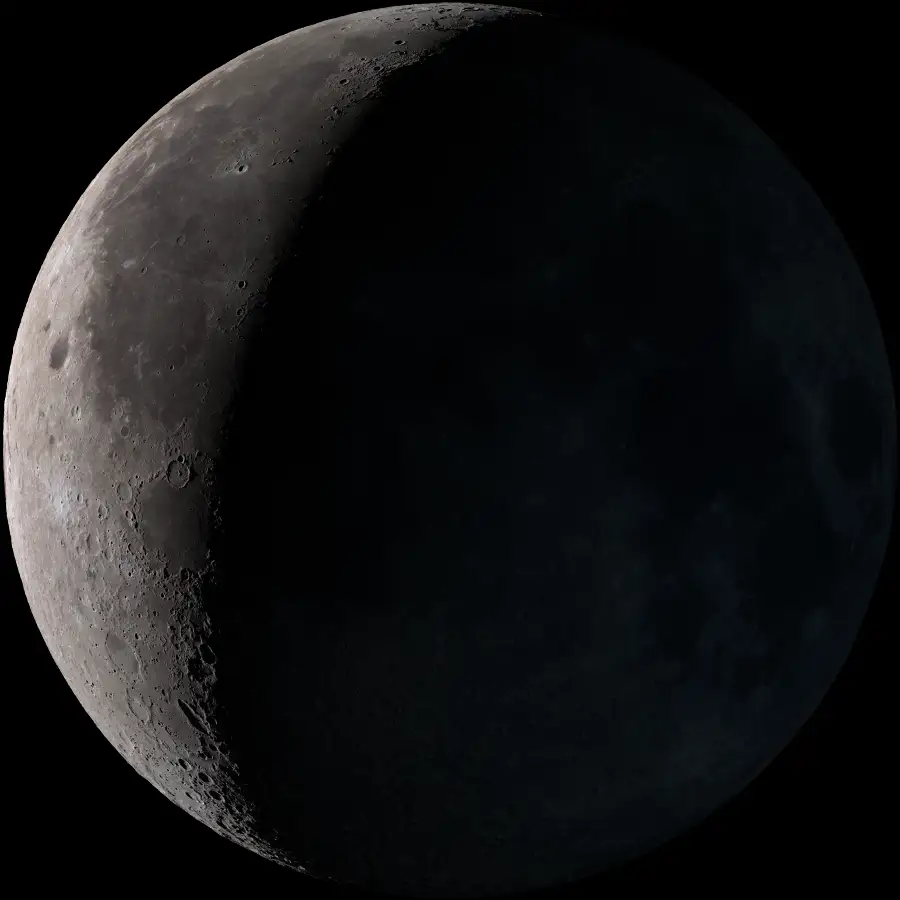
Why February 2027’s Lunar Cycle Is Special
February’s 2027 lunar cycle follows the usual rhythm but watch closely for subtle shifts in the moon’s rising and setting times due to its elliptical orbit. The Full Moon on February 23 appears larger and brighter than some full moons because the moon will be near its closest approach to Earth—perigee—making it a “Supermoon” by many enthusiasts’ standards.
- Expect higher tides known as spring tides around the Full Moon.
- Shadow lovers, catch the moon’s rugged terrain with binoculars during the First and Last Quarter phases when shadows highlight craters.
- If you’re planning any cultural or spiritual events, the New Moon on February 9 is traditionally associated with fresh beginnings.
Skywatchers can check detailed phase timings on the SpaceWeatherLive moon phases calendar, a great resource trusted by professionals and amateurs alike.
Source: parnassusbooks.net
How to Track Moon Phases This February
- Use smartphone apps with moon phase trackers updated for 2027.
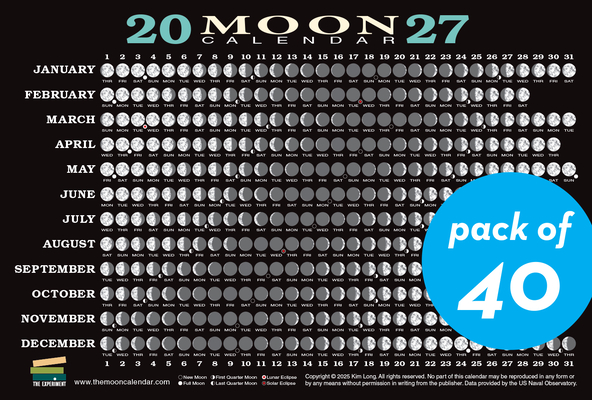
- Consult printed or digital moon calendars from authoritative sources such as the US Naval Observatory.
- Set up a simple observation log for yourself: note the date, phase, and visibility conditions each night. It’s a neat way to get personal with lunar cycles.
Source: starwalk.space
Frequently Asked Questions
When is the Full Moon in February 2027?
The Full Moon is on February 23, 2027, shining its brightest on that night and marking a majestic point in the lunar cycle.
What phase is the moon on February 9, 2027?
February 9, 2027 features the New Moon, where the moon is not visible from Earth and the lunar cycle resets.
Can I observe the moon during the Last Quarter in February 2027?
Yes! The Last Quarter on February 1, 2027 is visible in the predawn hours and is a great phase for spotting details along the moon’s terminator.
Why does the Full Moon look bigger sometimes?
The apparent size increases when the moon is at perigee, its closest point to Earth. February 2027’s Full Moon is considered a supermoon, appearing larger and brighter.
Where can I find an accurate moon phase calendar for February 2027?
Reliable moon phase data for February 2027 can be found on TheSkyLive Moon Calendar and the official Catalina Sky Survey website.

Nicholas is a digital organization strategist and the primary voice behind TheCalendarGrid. They specialize in creating intuitive scheduling tools and analyzing chronological trends to help readers optimize their time.