A Comprehensive Guide to the Julian Calendar in 2027: Important Dates and Insights

Ever looked at a calendar and wondered why some communities still cling to a system that’s more than 2,000 years old? Welcome to the Julian Calendar 2027, a fascinating relic that’s very much alive, stubbornly sticking to its 365.25-day year, unlike the modern Gregorian system you probably use every day.
Why Does the Julian Calendar Matter in 2027?
You might ask, why bother with the Julian Calendar when the Gregorian calendar runs the global stage? Here’s the kicker: several Orthodox churches, like the Russian and Serbian Orthodox, keep following the Julian system to determine religious feasts and fasts. That means dates like Christmas and Easter fall on different days than what you see on your phone.
It’s crucial to grasp that by 2027, the Julian calendar lags exactly 13 days behind the Gregorian calendar. Meaning, January 1 on Julian corresponds to January 14 on Gregorian. In simpler terms, if your friend’s Orthodox Christmas happens on December 25 on the Julian scale, you’re marking it on January 7 Gregorian.
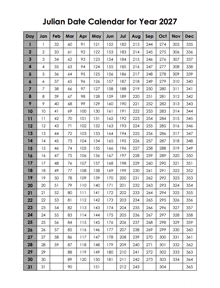
Source: www.calendarlabs.com
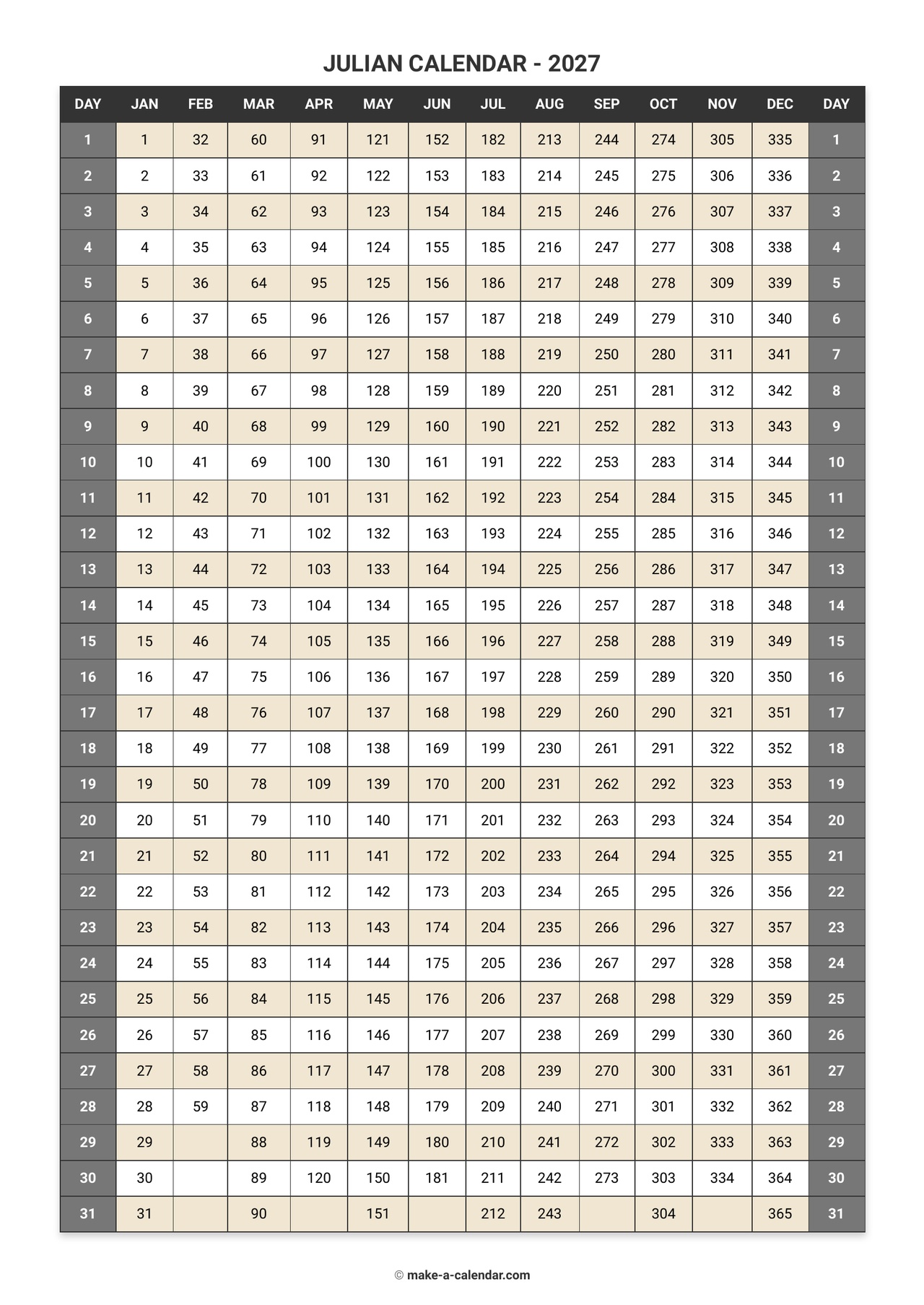
Source: make-a-calendar.com
The Nuts and Bolts: What to Expect from Julian Calendar 2027
- The year 2027 isn’t a leap year in the Julian system — it adheres to the rule of every 4th year being leap, without exception, unlike the Gregorian’s more complex leap criteria. This means that if you’re printing calendars or tracking historical data, the Julian leap day lands on February 29 exactly every four years. For details on this, check out the Julian Calendar History at Study.com.
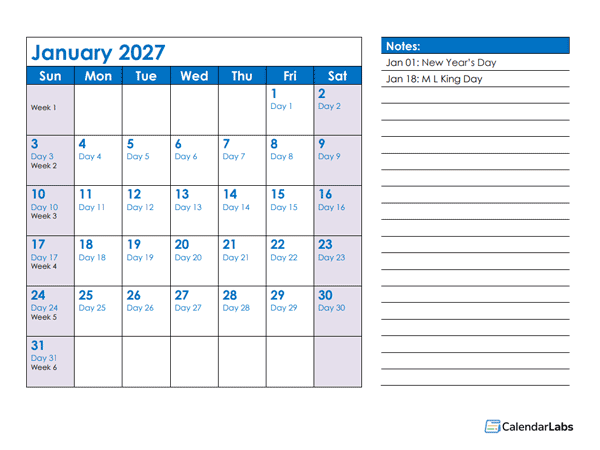
- The Julian Calendar 2027 printable templates are readily available and can be found at CalendarLabs, useful for Eastern Orthodox communities or historians tracking Julian dates.
- Keep in mind, the calendar’s drift of 13 days away from Gregorian has direct implications on legal, agricultural, and religious observances in regions still following the Julian reckoning.
Key Dates in the Julian Calendar for 2027
| Gregorian Date | Julian Equivalent | Significant Event |
|---|---|---|
| January 1, 2027 | December 19, 2026 | Start of Julian year 2027 |
| January 7, 2027 | December 25, 2026 | Julian Christmas Day |
| February 29, 2028 | February 16, 2028 | Next Julian Leap Day after 2027 (Expected) |
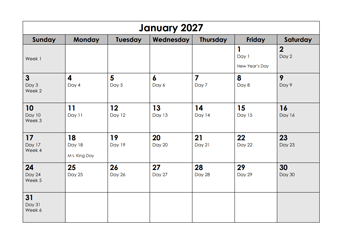
Source: www.calendarlabs.com
Why Does the Julian Calendar Still Lag Behind?
The Julian calendar overestimates the solar year by about 11 minutes annually. That little difference adds up to one full day every 128 years, making the Julian calendar slowly fall behind seasons and astronomical events, a problem the Gregorian calendar tries to correct by skipping century years that aren’t divisible by 400 as leap years.
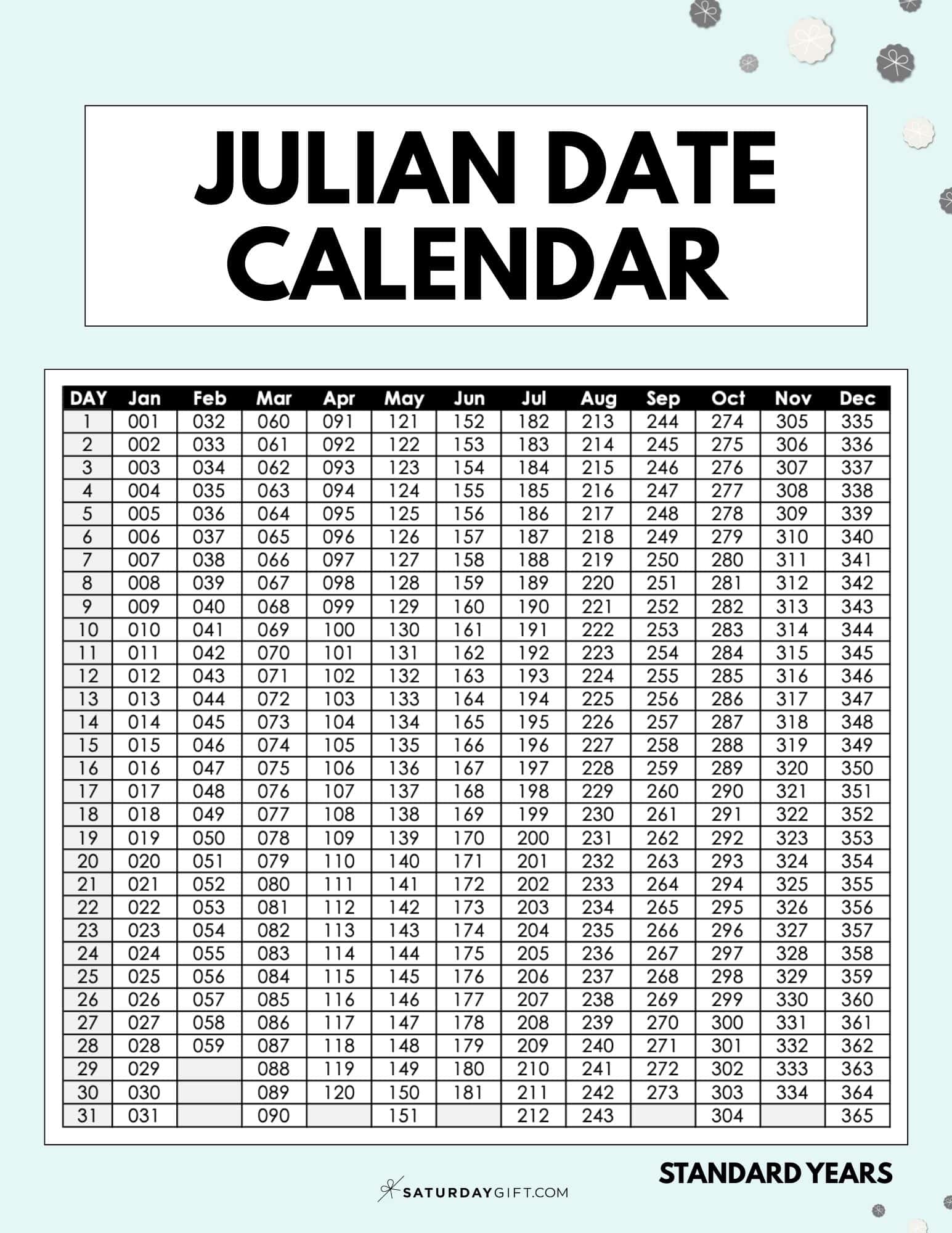
Source: www.saturdaygift.com
This drift was noticed centuries ago, which is why Pope Gregory XIII introduced the Gregorian reform in 1582. Not everyone switched immediately, though. As Wikipedia’s detailed entry on the Julian calendar explains, the calendar reform was gradual, and some religious communities preferred staying loyal to the traditional system.
Source: www.calendarlabs.com
Marking Time With the Julian System in 2027
Imagine a baker in Thessaloniki preparing for the Orthodox Christmas on December 25 Julian. She has to factor in the 13-day lag to correctly time her traditions. For her and many others, knowing the official U.S. Naval Observatory facts on calendars is critical—they keep precise astronomical observations matching calendars worldwide.
Besides religious observance, Julian dates also appear in food labeling and inventory management in certain industries, where counting days from January 1 by Julian number is commonplace. Learn more at Natural Grocers’ explanation of Julian Date Calendar.
Frequently Asked Questions
What is the difference between Julian and Gregorian calendars in 2027?
The main difference is the 13-day lag of the Julian calendar behind Gregorian. So, January 1, 2027, Gregorian corresponds to December 19, 2026, Julian. This gap affects religious holidays and date reckoning.
Is 2027 a leap year in the Julian calendar?
No. 2027 is not a leap year in the Julian calendar, as it follows a strict four-year cycle. The next leap day after 2027 will be February 29, 2028.
Why do some Orthodox churches use the Julian calendar?
Historical allegiance and tradition keep many Orthodox churches on the Julian calendar to preserve ancient liturgical timing for feasts like Christmas and Easter.
Can I get a printable Julian calendar for 2027?
Yes. There are free downloadable and printable Julian calendar templates for 2027 available at reputable websites such as CalendarLabs 2027 Julian Calendar.
How accurate is the Julian calendar compared to the solar year?
The Julian calendar slightly overestimates the solar year by approximately 11 minutes yearly, leading to a one-day shift every 128 years, which accumulates over time.
Disclaimer: All dates and information are based on the most recently available official sources and are subject to change. Always verify with the official institution website for the most current details.

Nicholas is a digital organization strategist and the primary voice behind TheCalendarGrid. They specialize in creating intuitive scheduling tools and analyzing chronological trends to help readers optimize their time.