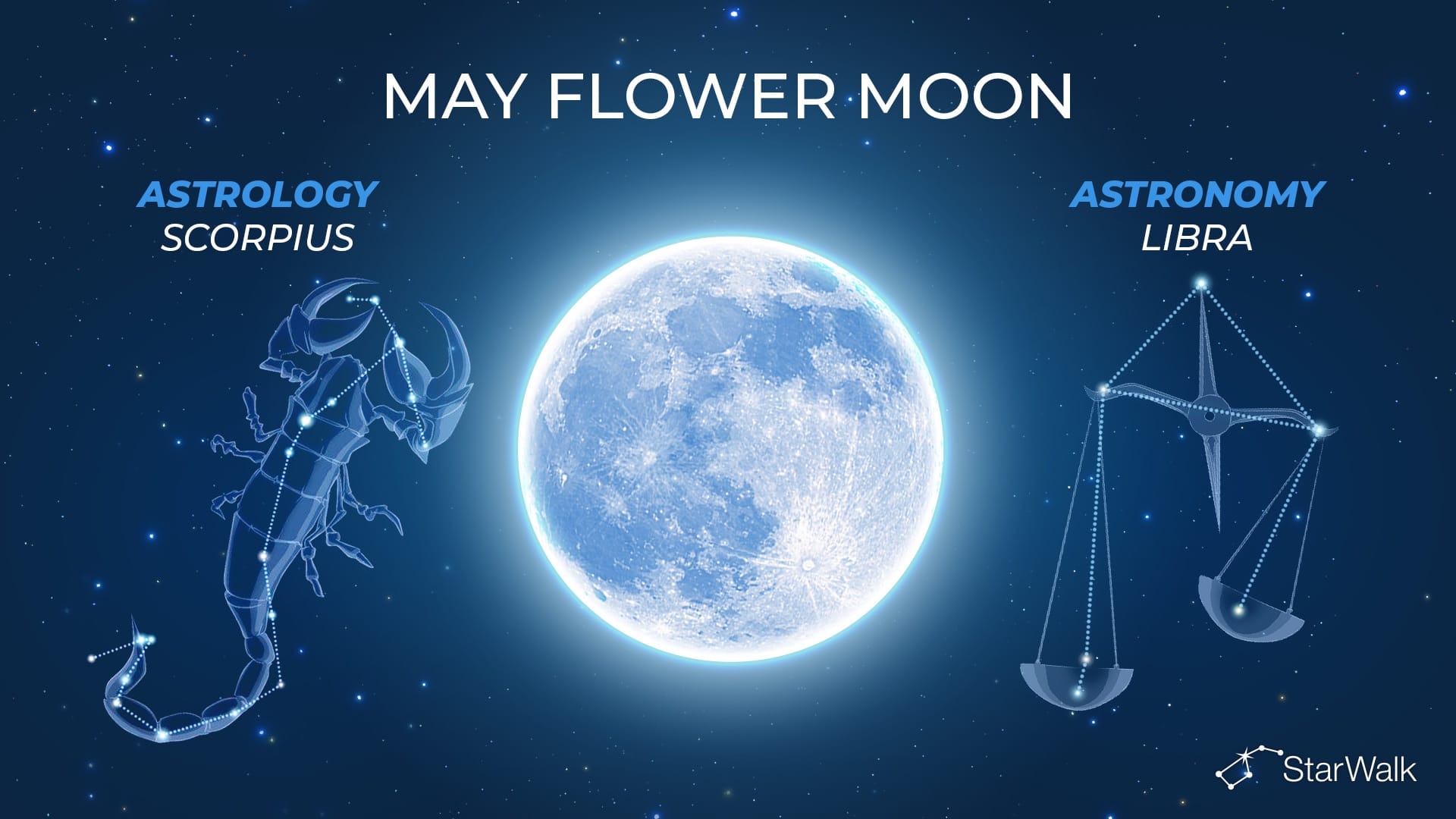
Ever stared up at the night sky wondering when that next big, brilliant moon will light up your backyard? May 2027’s Full Moon—famously dubbed the Flower Moon—is one you won’t want to miss. It’s like Mother Nature slaps on her freshest floral crown then throws a cosmic party, all visible from your own backyard if you’ve got a clear night.
When is the Full Moon in May 2027?
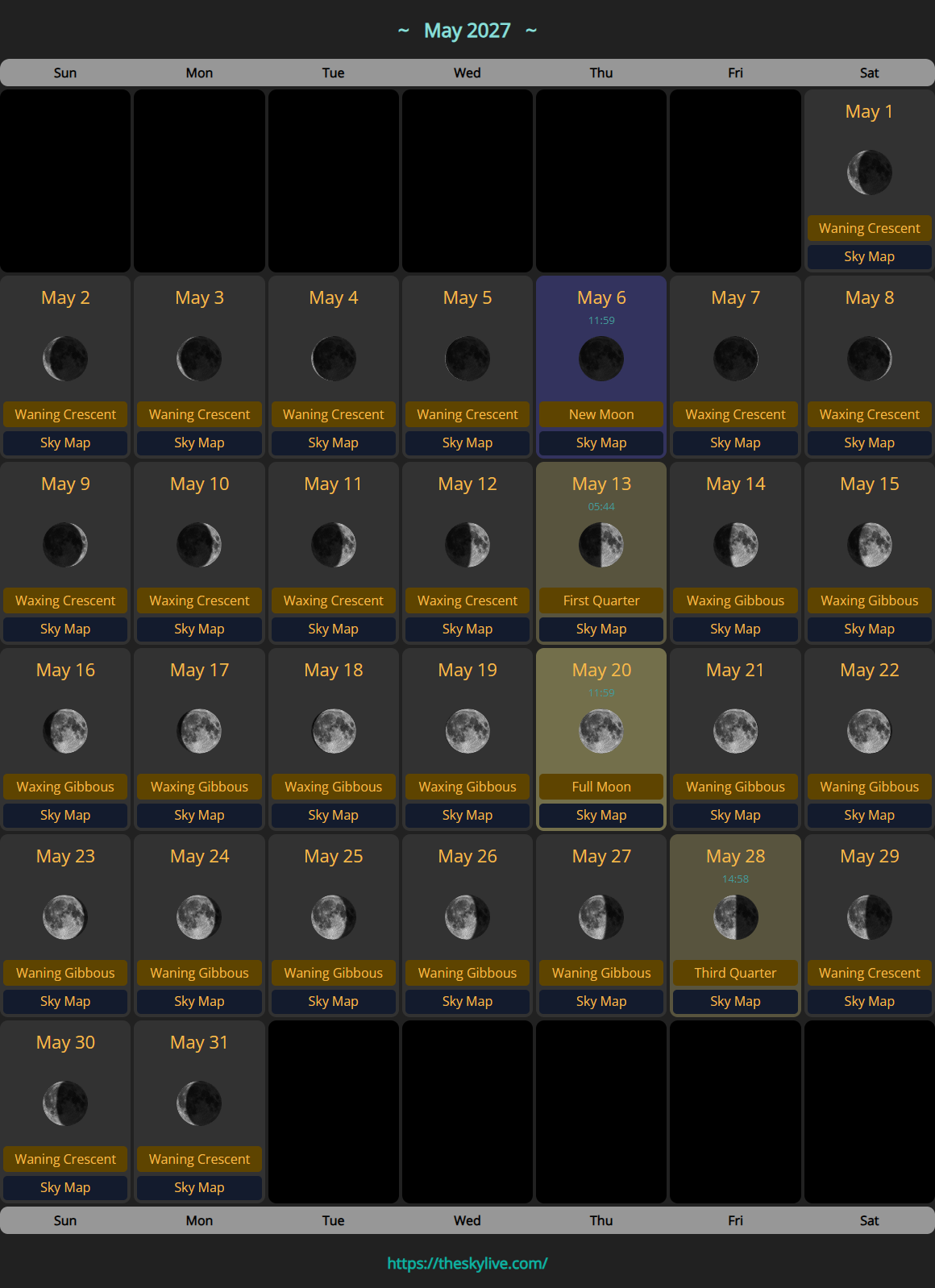
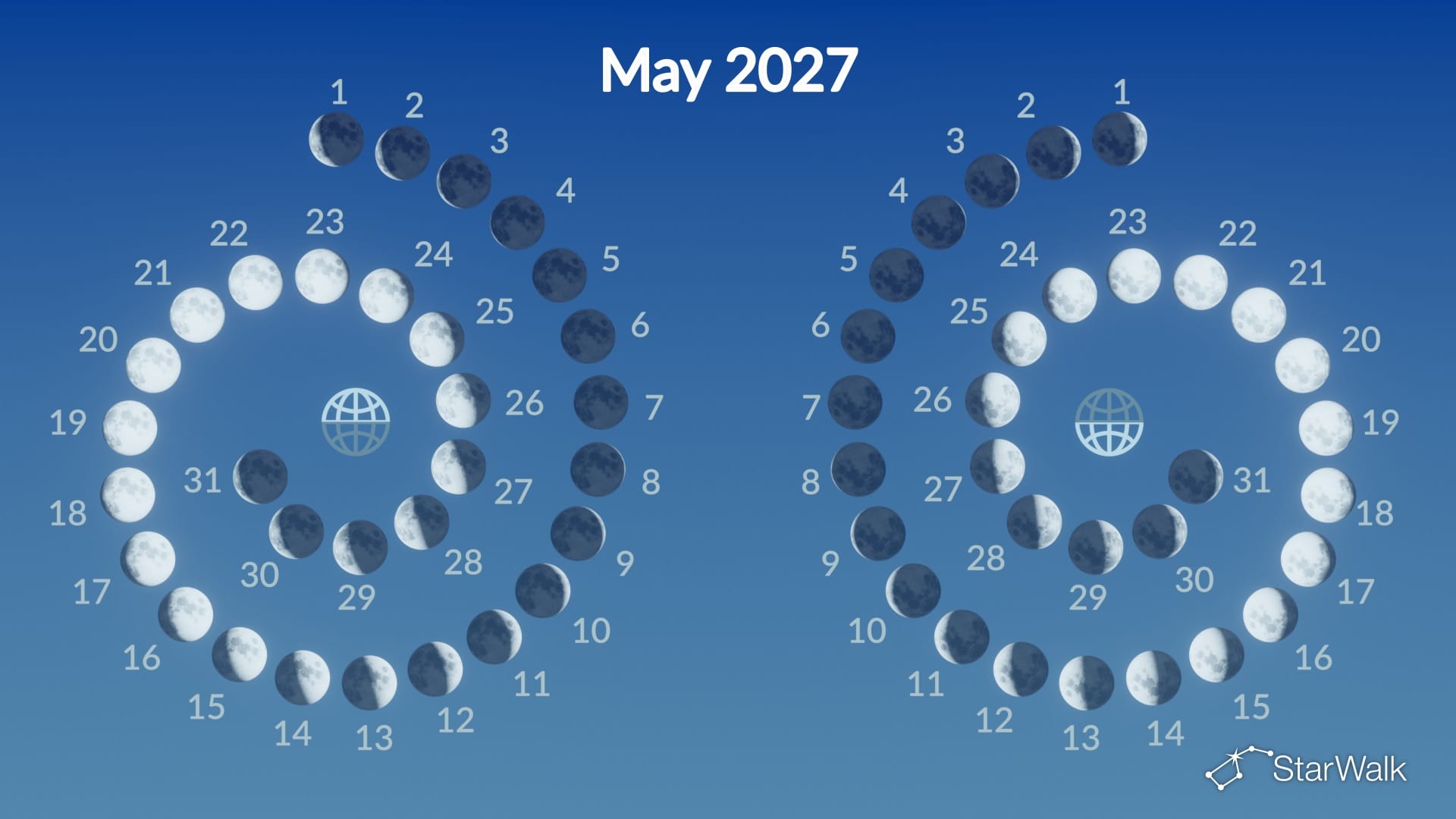
The Flower Moon for May 2027 is expected to peak on Tuesday, May 11, 2027. This is based on comprehensive lunar phase calculations made available by the Catalina Sky Survey’s official moon phases calendar. The exact moment of fullness usually occurs at a precise time, often different depending on your time zone, so setting an alarm for late evening or midnight locally gives you the best viewing chance.
Key Dates in May 2027
| Phase | Date | Description |
|---|---|---|
| New Moon | May 26, 2027 | Moon begins its new cycle |
| First Quarter | May 3, 2027 | Half moon rising in the afternoon |
| Full Moon | May 11, 2027 | The Flower Moon shines bright |
| Last Quarter | May 18, 2027 | Moon wanes to half again |
Why is May’s Full Moon Called the Flower Moon?
The name “Flower Moon” comes from tradition. Think early farmers or woodland folk noticing how May bursts with spring florals. This moon’s glow signals a sweet spot in the year when flowers cover the ground like a patchwork quilt. The term is officially recognized by the North American Native Moon calendar maintained by fullmoon.info, a trusted authority on lunar naming customs.
- Folklore: May’s moon is a bright floral beacon, dancing in tandem with blooming months.
- Symbolism: Often linked to renewal and growth cycles in many cultures worldwide.
- Nature connection: A perfect time for gardeners and nature lovers to connect directly with seasonal rhythms.
How to Best Observe the May 2027 Full Moon
Sure, the moon is a celestial showstopper on its own, but spotting it isn’t just point-and-stare. Here’s how you make the most of that glowing orb in the sky:
- Pick a spot with minimal light pollution – something like Griffith Observatory’s recommendations explain well (Griffith Observatory’s moon viewing tips).
- Use binoculars or a small telescope for spotting craters and shadows that pop under the strong illumination.
- Plan an evening walk or outdoor event; the full moon lights things up better than you’d guess, creating vibrant shadows and eerie highlights.
- Track the moon’s rising and setting times for your locale to catch it at its highest and brightest moments.
The Science Behind the Full Moon’s Brightness and Size
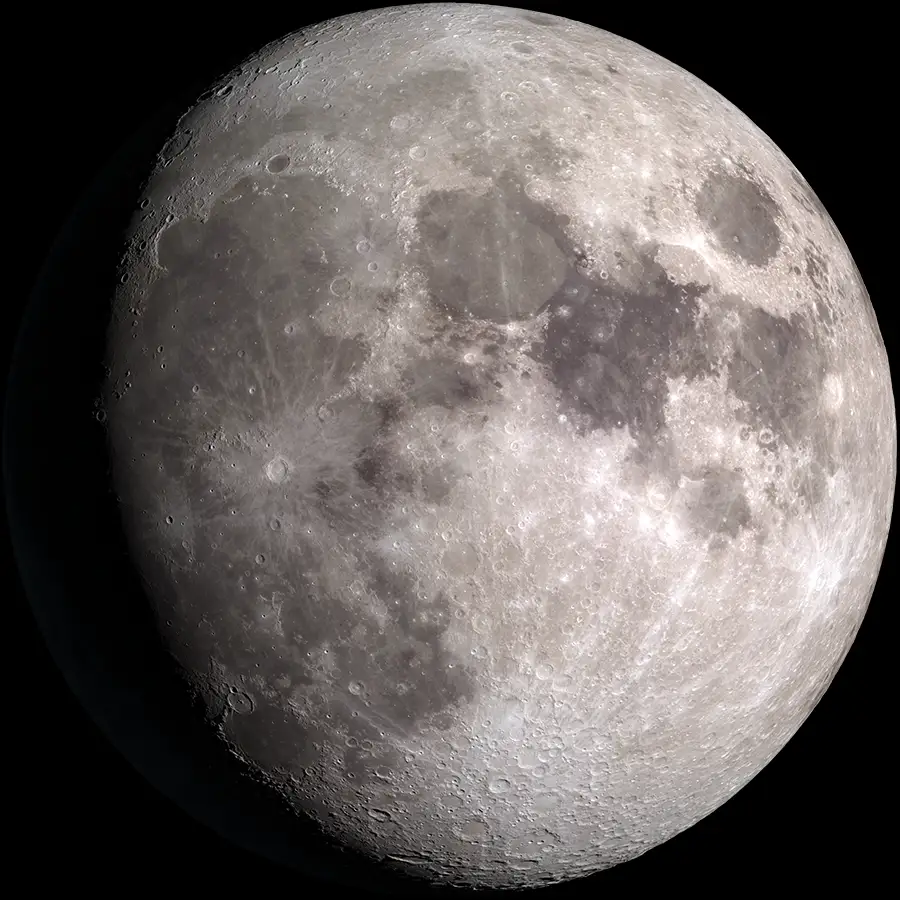
Here’s a bit of science — the moon doesn’t generate its own light. It reflects sunlight. But why does it look extra big or dazzling sometimes?
- The Flower Moon can coincide with the moon being closer to Earth in its elliptical orbit, known as perigee, causing a slightly larger apparent size. This phenomenon is famously called a “Supermoon,” but the 2027 May Full Moon is not officially a Supermoon according to Moonology.
- Atmospheric conditions play a big role—dust, moisture, and pollution scatter and tint moonlight, sometimes bathing the Moon in a warm glow.
- Location matters. Observers near the horizon often experience the “Moon illusion,” where the moon looks gigantic compared to when it’s high overhead.
Cultural and Spiritual Significance of the May Full Moon
This isn’t just about aesthetics; the Flower Moon is packed with meaning:

Source: en.tutiempo.net
- In Native American traditions, different tribes have unique interpretations, but most see it as a marker of fertility and harvest preparation.
- Wiccan and Pagan communities celebrate it as a powerful time for rituals involving growth, new beginnings, and expressing gratitude to the Earth.
- Farmers historically relied on its phases for planting and harvesting schedules. Documentation of these practices is backed by historical agricultural manuals maintained by agricultural extensions in universities.
Weather and Viewing Conditions to Expect
Source: lunaf.com
Knowing your sky’s mood is crucial. May weather can be a wild card:
- In temperate zones, May often brings clearer skies than spring’s earlier months but sometimes showers interrupt.
- Check local meteorological forecasts a few days ahead to increase your odds of a lunar viewing party under crisp, cloudless skies.
Source: starwalk.space
Source: starwalk.space
Frequently Asked Questions
What time will the Full Moon rise on May 11, 2027?
The Full Moon typically rises around sunset in your location. For specific timings, consult a reliable lunar app or official sources like Catalina Sky Survey’s lunar calendar to get precise local rise times.
Is the May 2027 Full Moon a Supermoon?
Nope. According to Moonology’s detailed lunar phase data, the May 2027 Moon won’t meet the perigee criteria to be classified as a Supermoon.
Why do different cultures call the May moon the Flower Moon?
Because it heralds spring’s floral bounty. Many cultures named moons after natural events to keep track of seasons before modern calendars existed. This tradition lives on, referenced in cultural historical records.
Can I photograph the Full Moon with a smartphone?
You can, but the results vary. Brightness and detail can be limited. Using a telephoto lens attachment and a tripod for stability improves shots. Check photography forums and guides linked in official observatories like Griffith Observatory’s advice.
What safety tips are recommended for night moon watching?
Choose safe, dark places free of traffic hazards, bring a flashlight with a red filter to preserve night vision, and dress warmly. Always check weather and terrain conditions beforehand.

Munoz is a web developer and efficiency tool builder at TheCalendarGrid. They build streamlined digital calendar solutions designed to make event planning and date tracking effortless.